
Topics related to seniors, loneliness in old age, and digital everyday assistance

Topics related to seniors, loneliness in old age, and digital everyday assistance
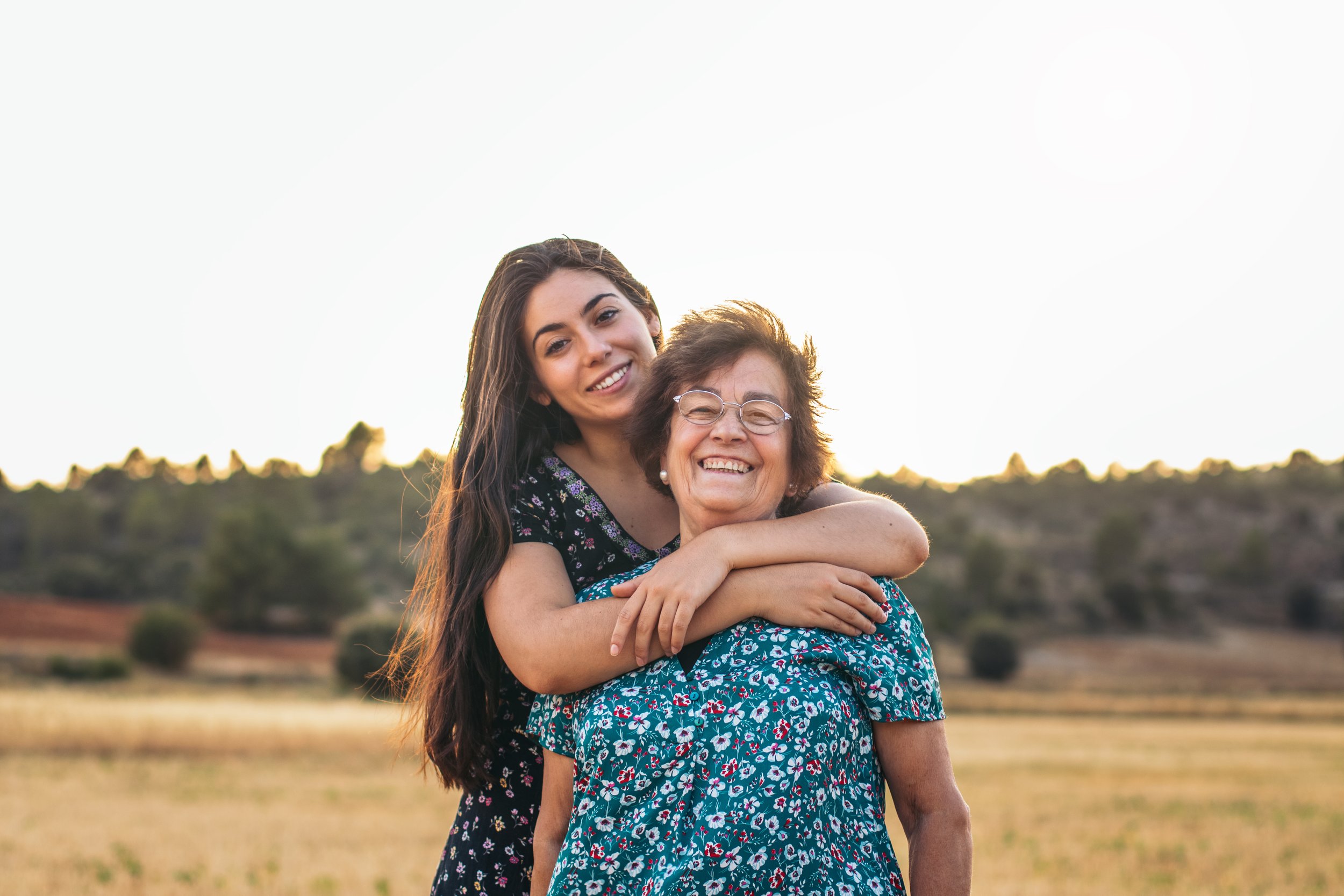
After Mother's Day: What happens on the other 364 days
Mother's Day silences our guilty conscience for a day, only to make it all the stronger for the rest of the year. Three stories from adult children who love their parents but aren't always there for them.

Minister of Loneliness
In 2018, the United Kingdom became the first country in the world to appoint a Minister for Loneliness. Japan followed suit in 2021. Here’s what has happened since then—and what Germany could learn from it.

Why Voice Is the Way to Go: Voice-First Design for Older Adults
Traditional apps rarely fail to appeal to older people because of a lack of willingness—almost always because of their design. What "voice-first" means and why speech is the most natural interface there is.
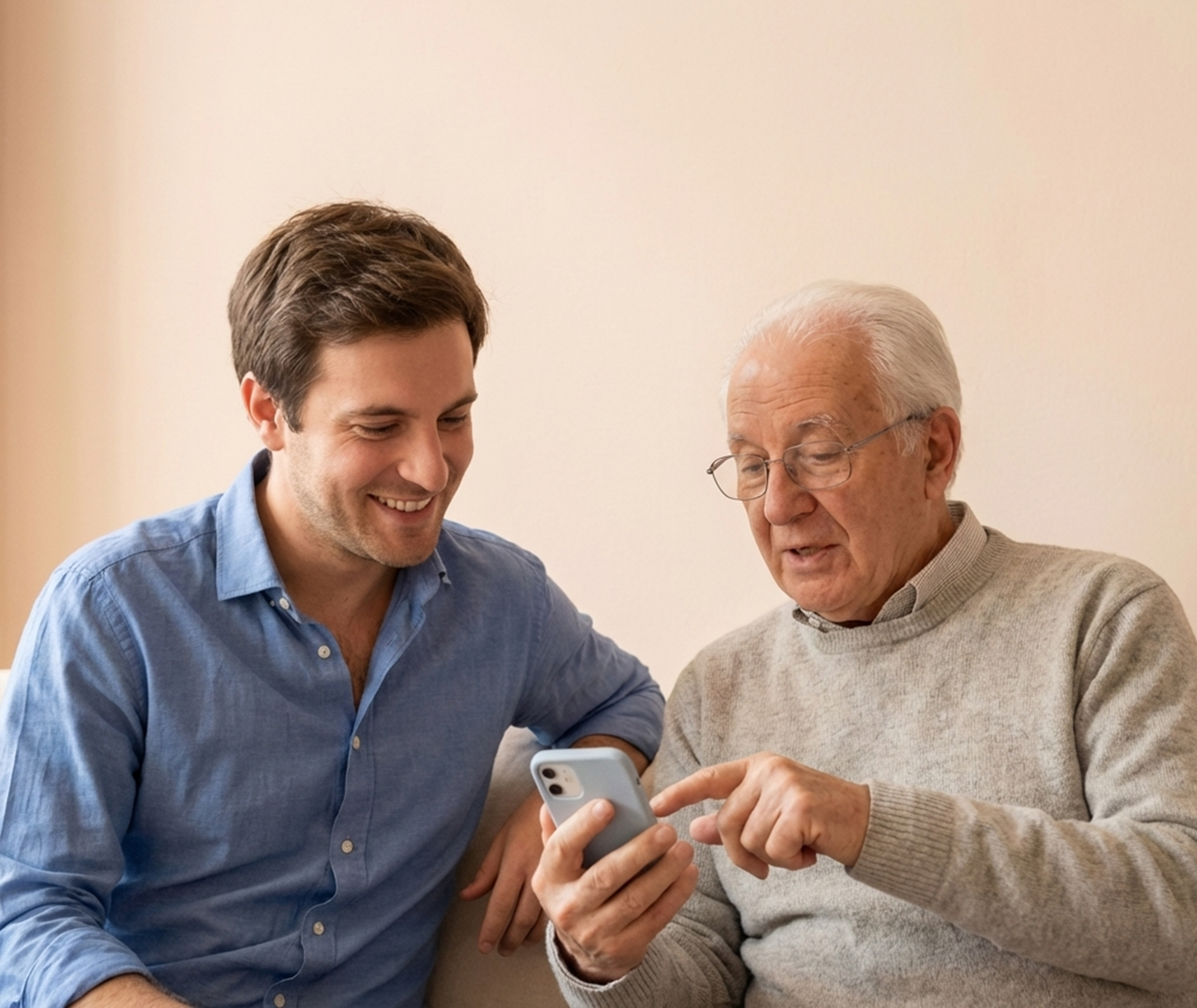
Is AI-assisted care ethically acceptable?
AI-assisted care for older adults is not inherently ethical or unethical—it depends on how it is designed. An honest assessment of the real risks and what the research says about them.

What AI Can't Do, and What It Can Do
AI cannot love, cannot be physically present, and cannot replace professional help. Five clearly defined boundaries—because people who rely on something have the right to know where its limits lie.

Does AI Reduce Loneliness? What the Research Says
Four studies, one clear conclusion: AI-assisted companionship can measurably reduce loneliness—but context, design, and timing determine whether and to what extent.

Is my parent lonely? Signs and what to do
Lonely elderly parents rarely say it outright; they don’t want to be a burden. Here’s how to tell when they’re feeling this way, how to broach the subject, and what really helps.

What the healthcare system can and cannot do
Long-term care insurance covers physical care—but social and emotional isolation remain structurally unaddressed. Where the system’s limits lie and who is hit hardest.

The 7 Most Common Causes of Loneliness in Older Adults
Retirement, bereavement, hearing loss, limited mobility—certain life transitions significantly increase the risk of loneliness. How to recognize them and what can help.

Loneliness increases the risk of dementia by 40%
Every point on a loneliness scale increases the risk of dementia by 40 percent—regardless of genes and other risk factors. What happens in the brain, and what this means for families.

Loneliness: The True Cost to Health
Loneliness doesn't stem from weakness, but from circumstances—and the stigma surrounding it only makes things worse. Here's what the research says.

The Brain & Loneliness: What Happens
Lonely people incur approximately $900 more in healthcare costs per year—which is why preventing loneliness makes sense not only from a humanitarian perspective but also from a fiscal one.

Loneliness is not a failure
Social isolation damages the hippocampus, disrupts sleep, and accelerates cognitive decline—the neuroscience behind it, explained in simple terms.

Loneliness is more dangerous than smoking
Chronic loneliness increases the risk of death to a degree comparable to smoking 15 cigarettes a day – what the meta-analyses really show, and why this has been ignored for so long.


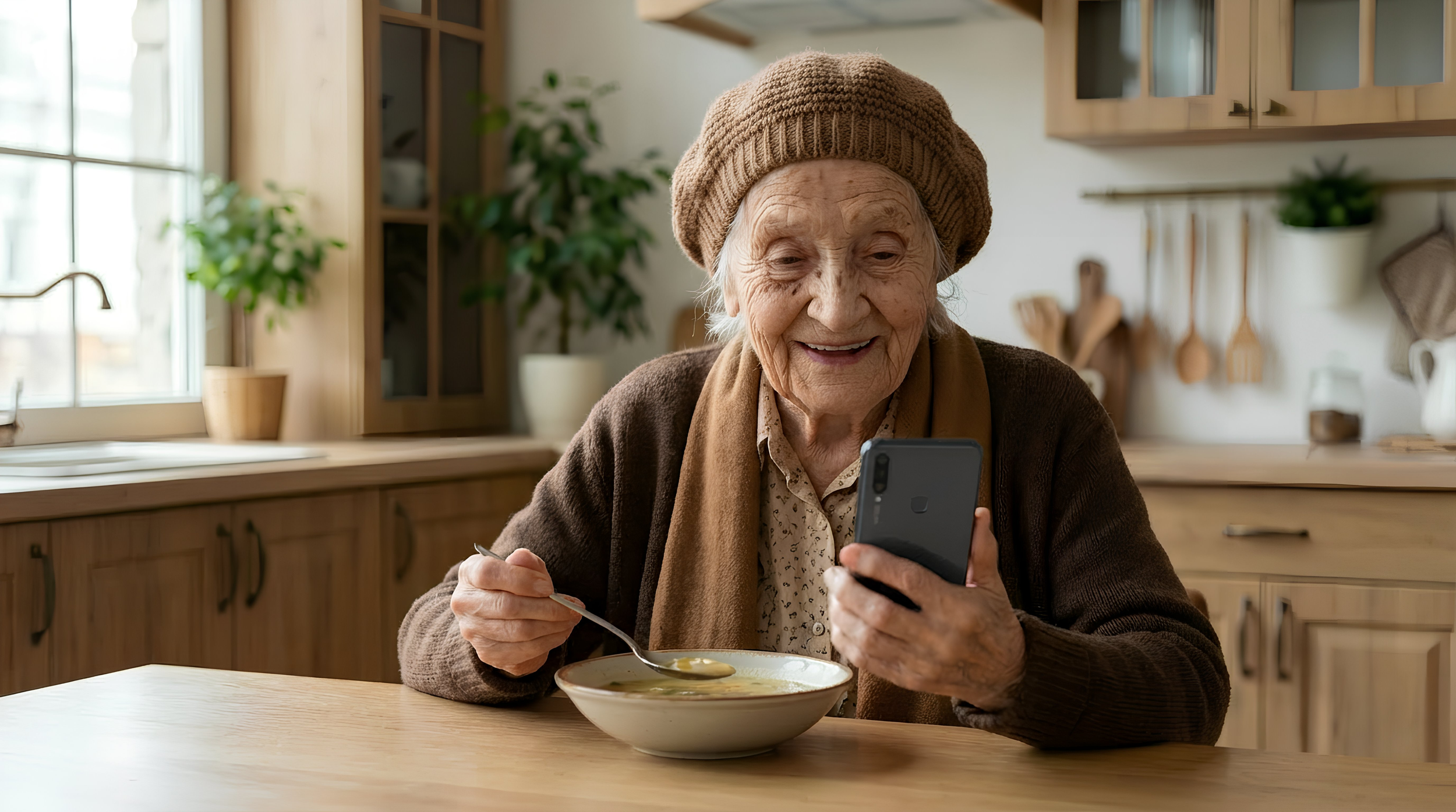
A day with a digital companion
How an AI companion supports older people from morning to night

Loneliness and brain health
Why loneliness stresses the brain, and how daily connection can preserve mental strength in old age.

The silent epidemic of old age
Why loneliness in old age affects entire families, and how new ways of connecting can overcome it.
Updates, background information, and new features - delivered straight to your inbox
Subscribe to the Amara™ newsletter and stay up to date, find out what's new, and learn how families use Amara™ in their everyday lives.
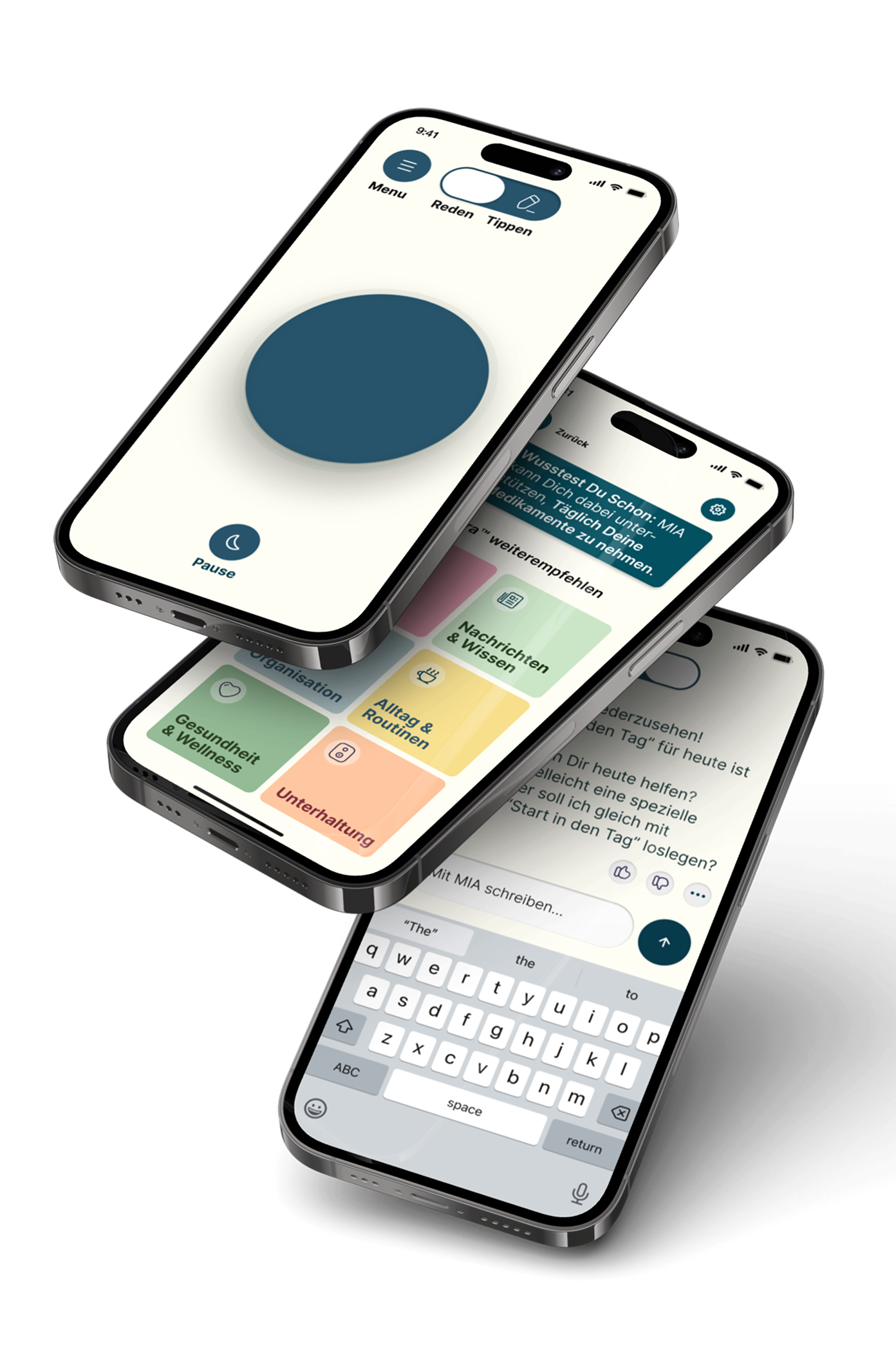
Download the Amara app now
Install Amara™ and immediately have a friendly companion at your side—uncomplicated, helpful, and always available.