
The silent epidemic of old age
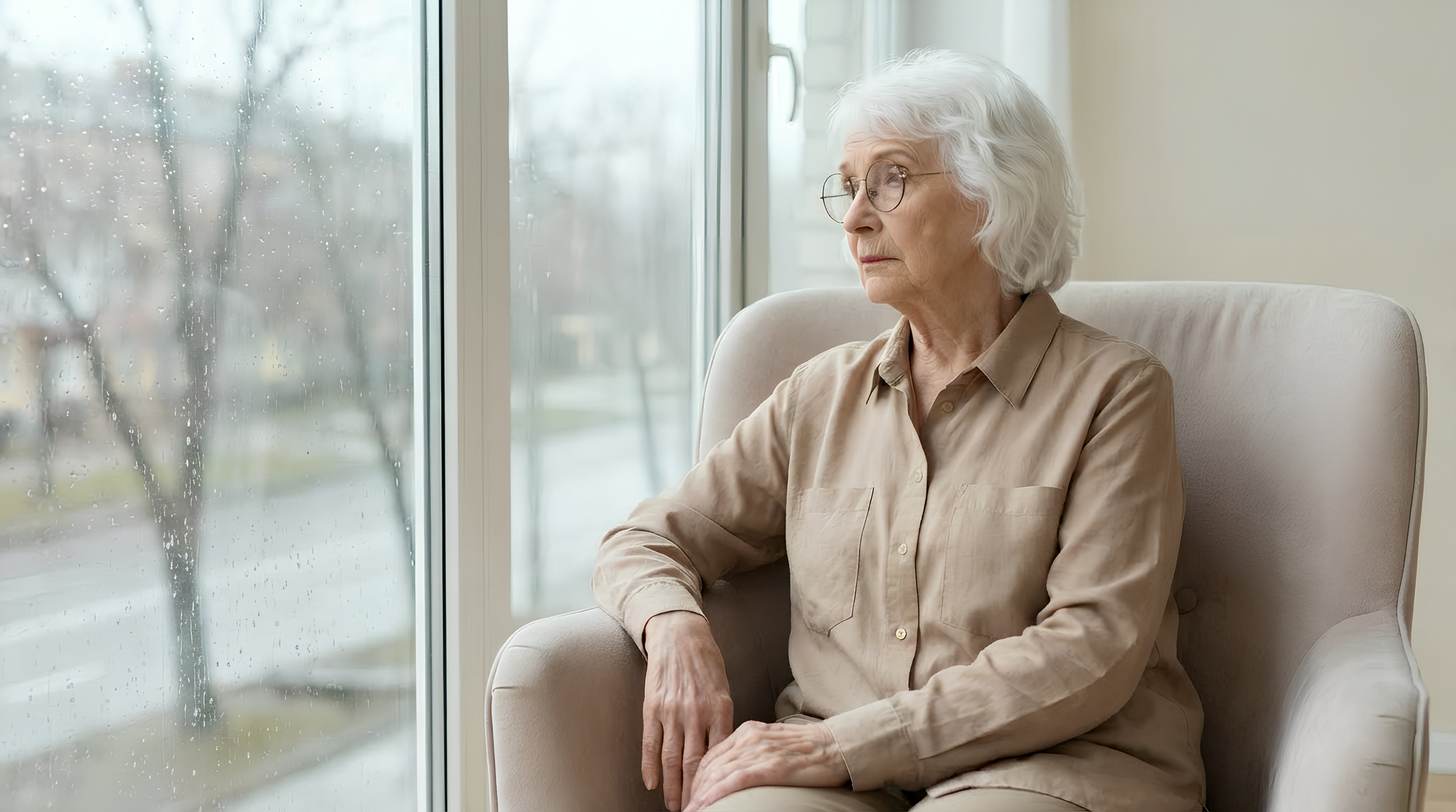
The silent epidemic: loneliness in later life affects us all
Loneliness in old age is one of the most underestimated problems of our time. It happens quietly, often invisibly, and affects people who have carried the weight of decades: parents, grandparents, neighbors, friends. But the tragic thing is that loneliness in old age is not an individual crisis. It is a family event. It is a condition that affects entire generations. When older adults lose their daily routines, when friends become less mobile, when children and grandchildren live further away, a silent distance develops. No one wanted it—and yet it grows. And with it grow worries, uncertainties, and emotional pressure on all sides.
Why loneliness in old age is so dangerous
Loneliness is not just a feeling.
It is a proven risk factor for physical and mental health.
Studies show:
Loneliness increases the risk of dementia by up to 40%.
It increases the risk of heart disease by 29%.
It massively increases the likelihood of depression and listlessness.
It affects mobility, sleep, nutrition—every aspect of daily life.
Loneliness not only changes the external daily routine, but also the inner experience: motivation declines, independence decreases, small tasks suddenly become big. And while older people try not to be a "burden," families simultaneously carry the silent burden of worry:
"Is she okay?" "Is he eating enough?" "How is she really feeling?" "Should I have called today?"
Loneliness in old age is therefore always a generational issue.
What this situation means for families
Many adult children face an emotional dilemma:
They want to be there for their parents—but their own lives don't allow them to do so on a daily basis. Work, their own children, maintaining relationships, physical distance, time constraints.
Worries linger in the background.
Feelings of guilt come to the fore.
And in between: the fear of not doing enough.
This dynamic is universal—and incredibly painful.
But it is not inevitable.
Loneliness is not fate. It can be changed.
The idea that loneliness is part of aging is a myth—and one of the most harmful ones.
With the right support, every older person can:
become more a part of everyday life again
find more joy in routines
feel seen, heard, and connected
live healthier and more independently
And families can finally experience something that has become rare in modern lifestyles:
Peace. Closeness. Certainty.
What we learn from this
If we view loneliness in old age not as an individual failure but as a societal challenge, new paths open up:
Away from guilt and excessive demands.
Toward innovation, compassion, and genuine connection.
When designed correctly, technology can be a connecting link:
Not cold, not complex, but human.
A voice that asks:
"How are you today?"
A companion that stays when everyday life becomes too loud.
A piece of closeness—even when we cannot be there physically.
